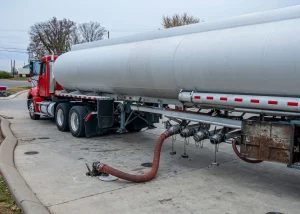

You’ve been heating your Lower Bucks County home with oil for years, and it’s always worked reliably. But lately, you’re seeing headlines about carbon footprints and environmental responsibility, and you’re starting to wonder: am I doing something wrong by sticking with heating oil? Maybe a neighbor switched to a heat pump, or you’ve seen ads pushing natural gas as the “cleaner” choice. Now there’s a nagging guilt every time you schedule a delivery.
Here’s what most Bristol, Levittown, and Bensalem homeowners don’t realize: the heating oil being delivered to your home today is fundamentally different from what powered furnaces even a decade ago. Modern ultra-low sulfur heating oil (ULSHO) and the rise of Bioheat® blends have transformed this fuel into one of the cleanest-burning options available—often outperforming the alternatives in ways that never make the evening news.
In our 7 years serving over 5,000 Lower Bucks County customers at Ace Fueling, we’ve watched this industry evolve dramatically. This article will separate fact from fiction, explain why modern heating oil deserves a second look, and show you how to maximize both efficiency and environmental responsibility without abandoning a system that already works.
What Is the Heating Oil Environmental Concern?
The environmental concern around heating oil stems from its reputation as a fossil fuel that produces emissions when burned. For decades, traditional heating oil contained higher sulfur levels and was associated with visible smoke, distinctive odors, and measurable particulate emissions. This historical reality shaped public perception—and that perception has been slow to catch up with modern advancements.
Today, homeowners across Bucks County, Montgomery County, and Mercer County, NJ experience this concern in several ways:
- Guilt about fuel choice: Feeling like you’re making an environmentally irresponsible decision by not switching to electricity or natural gas
- Pressure from marketing: Constant advertising from utility companies and HVAC installers pushing expensive system replacements
- Confusion about facts: Conflicting information about which heating source is actually “greenest”
- Worry about the future: Concerns that heating oil will be phased out or become prohibitively expensive
- Skepticism about improvements: Uncertainty whether “cleaner heating oil” claims are legitimate or just marketing spin
These concerns are understandable. Pennsylvania winters demand reliable heat, and nobody wants to feel like they’re harming the environment to stay warm. The good news? The facts tell a very different story than the outdated narrative suggests.
Why the Misconceptions Persist: The Real Causes
Understanding why heating oil’s environmental reputation lags behind reality requires examining several factors that perpetuate outdated beliefs.
Outdated Information Still Dominates the Conversation
Most people’s mental image of heating oil comes from the 1970s and 1980s—before environmental regulations transformed the product. Traditional heating oil contained up to 5,000 parts per million (ppm) of sulfur. When burned, this sulfur produced sulfur dioxide emissions linked to acid rain and respiratory issues.
Here’s what changed: Since 2018, virtually all heating oil sold in the Northeast—including every gallon Ace Fueling delivers throughout Lower Bucks County—is ultra-low sulfur heating oil (ULSHO) containing a maximum of 15 ppm sulfur. That’s a 99.7% reduction in sulfur content. This single change eliminated the vast majority of harmful emissions associated with heating oil, but the public perception never caught up.
Competing Industries Have Bigger Marketing Budgets
Natural gas utilities and electric companies spend billions annually on advertising. The heating oil industry—composed largely of family-owned local businesses like Ace Fueling—simply can’t match that reach. When a Bristol homeowner sees commercials promoting natural gas as “clean” and “efficient,” they rarely hear the counterpoint: natural gas is still a fossil fuel with its own emissions profile, and it requires a massive infrastructure of pipelines with documented methane leak problems.
Methane, the primary component of natural gas, is 80 times more potent than CO2 as a greenhouse gas over a 20-year period. Pipeline leaks throughout the distribution network often go undetected for years. This inconvenient truth rarely appears in utility company marketing materials.
The Bioheat® Revolution Hasn’t Made Headlines
Perhaps the most significant development in heating oil’s environmental story is the emergence of Bioheat®—a blend of ultra-low sulfur heating oil and biodiesel made from renewable sources like soybean oil, recycled cooking oils, and animal fats. Bioheat® blends ranging from B5 (5% biodiesel) to B100 (100% biodiesel) are increasingly available and compatible with existing oil heating systems.
Many states in the Northeast have already mandated minimum biodiesel content in heating oil, with percentages increasing over time. This creates a clear pathway to carbon neutrality that doesn’t require homeowners to rip out functional heating systems and invest tens of thousands of dollars in replacements.
Electric Heat Isn’t as “Green” as Advertised
The assumption that electric heat is environmentally superior ignores a crucial question: where does the electricity come from? In Pennsylvania, approximately 35-40% of electricity still comes from fossil fuel sources, primarily natural gas and coal. When you heat your Levittown home with an electric heat pump, you’re often burning fossil fuels at a power plant—just with the emissions happening somewhere else.
Additionally, heat pumps lose efficiency dramatically in cold weather. During a Lower Bucks County cold snap when temperatures drop into the teens or single digits, heat pumps struggle to extract warmth from the air and often rely on backup electric resistance heating—the least efficient heating method available. Modern oil furnaces, by contrast, maintain consistent efficiency regardless of outdoor temperature.
System Replacement Costs Aren’t Factored In
Environmental discussions often focus solely on operational emissions while ignoring the substantial environmental cost of manufacturing and installing new heating systems. Replacing a functional oil furnace with a heat pump system involves mining rare earth minerals, manufacturing complex components, shipping equipment across oceans, and disposing of existing equipment. The embedded carbon in a new HVAC system can take 10-15 years of operation to offset—assuming the old system was actually less efficient, which isn’t always the case.
How to Assess Your Heating System’s Environmental Performance
Before assuming your oil heat is an environmental problem, take time to evaluate your actual situation. Use this assessment to understand where you stand and what improvements might make sense.
- Check your fuel type: Confirm you’re receiving ultra-low sulfur heating oil (ULSHO). All reputable dealers in Lower Bucks County, including Ace Fueling, now deliver ULSHO exclusively. If you’re with a supplier who can’t confirm this, it’s time to switch.
- Evaluate your equipment age: Oil furnaces manufactured after 2000 are significantly more efficient than older models. Systems with AFUE (Annual Fuel Utilization Efficiency) ratings of 85% or higher are competitive with or superior to many alternative heating sources.
- Review your maintenance history: A well-maintained oil heating system operates far more efficiently and cleanly than a neglected one. Annual tune-ups ensure optimal combustion, minimizing emissions and maximizing heat output.
- Consider your home’s insulation: The most environmentally impactful improvement often isn’t changing fuel sources—it’s reducing how much fuel you need in the first place. Air sealing and insulation upgrades provide immediate benefits regardless of heating type.
- Calculate actual costs: Factor in the full environmental and financial cost of system replacement versus improving your current setup. For many Bucks County homeowners, optimizing existing oil heat is both greener and more economical than wholesale system replacement.
When professional assessment helps: If your system is over 25 years old, requires frequent repairs, or you’re seeing visible smoke or strong odors during operation, schedule a professional evaluation. These symptoms suggest inefficient combustion that impacts both your wallet and the environment.
How to Maximize the Environmental Benefits of Oil Heat
You don’t need to abandon a working heating system to be environmentally responsible. Here’s how to optimize your oil heat for both efficiency and environmental performance.
Steps You Can Take Today
- Optimize your thermostat: Lower your temperature by 7-10°F for 8 hours daily (while sleeping or at work) to reduce fuel consumption by up to 10% annually. Programmable or smart thermostats make this effortless.
- Change filters regularly: Clogged filters force your system to work harder, burning more fuel. Replace or clean filters monthly during heating season.
- Seal air leaks: Weatherstripping doors, caulking windows, and sealing ductwork prevents heated air from escaping. These low-cost improvements reduce fuel consumption regardless of your heating source.
- Use window coverings strategically: Open curtains on south-facing windows during sunny winter days to capture free solar heat. Close them at night to add insulation value.
- Bleed radiators if applicable: For homes with hot water baseboard or radiator systems, bleeding trapped air improves heat distribution and system efficiency.
Professional Improvements Worth Considering
Annual system tune-ups: Professional maintenance ensures optimal combustion efficiency, catches small problems before they become expensive repairs, and verifies your system operates as cleanly as possible. A properly tuned oil burner produces minimal emissions and maximum heat per gallon.
Burner upgrades: If your burner is over 15-20 years old, modern high-efficiency burners can improve combustion efficiency significantly without requiring full system replacement. This targeted upgrade often provides the best return on investment.
Tank inspection and replacement: Old underground or deteriorating above-ground tanks pose environmental risks from potential leaks. Modern double-wall tanks with leak detection provide peace of mind and environmental protection.
Insulation upgrades: Professional energy audits can identify where your home loses the most heat. Addressing these areas—often attics, basements, and exterior walls—reduces fuel consumption dramatically.
Why Ace Fueling Supports Environmentally Conscious Oil Heat
At Ace Fueling, we believe in honest conversations about heating options. We don’t push unnecessary system replacements or pretend heating oil is something it’s not. What we do offer is high-quality ultra-low sulfur heating oil delivered reliably across Lower Bucks County, Montgomery County, and Mercer County, NJ—with the transparency and personal service that corporate energy companies can’t match.
Our COD (cash on delivery) model means you’re never locked into overpriced contracts. When market prices drop, your fuel costs drop too. This flexibility also means you can experiment with Bioheat® blends as they become more widely available without contract complications.
Why Lower Bucks County Trusts Ace Fueling
Since 2018, Ace Fueling has delivered heating oil to over 5,000 satisfied customers across Bristol, Levittown, Bensalem, Croydon, Morrisville, Langhorne, Fairless Hills, and throughout Bucks County. Our approach is simple: honest pricing, reliable service, and treating every customer like a neighbor—because we are your neighbors.
Owner-operated accountability: When you call or text Ace Fueling, you reach Jon directly—not a call center, not an overseas operator, not a voicemail system. Real questions get real answers from someone who takes personal responsibility for every delivery.
Transparent, competitive pricing: No contracts, no hidden fees, no surprise charges. The price we quote is the price you pay. Our customers regularly save $300-$600 per heating season compared to contract company pricing.
Same-day delivery, 7 days a week: We understand that running low on heating oil isn’t convenient. That’s why we offer same-day delivery every day of the week, with 24/7 emergency service when you need it most.
Multiple discounts available: Military and veterans receive 3¢/gallon off every delivery. Seniors save 3¢/gallon. Cash payments earn 5¢/gallon. Refer a neighbor and save even more.
Licensed, insured, and DOT-registered: Ace Fueling operates with full credentials (DOT #3148867), state-of-the-art metering systems, and the professionalism your family’s comfort deserves.
Frequently Asked Questions
Is heating oil bad for the environment?
Modern ultra-low sulfur heating oil (ULSHO) produces 99.7% less sulfur emissions than traditional heating oil. Combined with high-efficiency equipment and proper maintenance, today’s oil heat is cleaner than most people realize and competitive with alternative heating sources when full lifecycle impacts are considered.
What is Bioheat® and can I use it in my current system?
Bioheat® is a blend of ultra-low sulfur heating oil and biodiesel made from renewable sources. Most existing oil heating systems can use Bioheat® blends up to B20 (20% biodiesel) without any modifications. Higher blends may require system evaluation. As Bioheat® availability increases, it offers a path toward carbon neutrality without equipment replacement.
How does heating oil compare to natural gas environmentally?
Natural gas produces CO2 when burned and involves significant methane leakage throughout its pipeline distribution network. Methane is 80 times more potent than CO2 as a greenhouse gas over 20 years. When considering full lifecycle emissions including extraction, transportation, and leakage, the environmental gap between modern heating oil and natural gas is smaller than commonly believed.
Is it worth switching from oil heat to a heat pump?
Heat pumps work well in moderate climates but lose efficiency significantly in cold weather—exactly when Lower Bucks County homeowners need heat most. System replacement costs $15,000-$30,000 or more, and the embedded carbon in new equipment takes years to offset. For most homeowners with functional oil systems, optimizing existing equipment is more environmentally and financially sensible.
How much does heating oil delivery cost in Lower Bucks County?
Heating oil prices fluctuate with market conditions. Ace Fueling offers transparent, competitive pricing without contracts or hidden fees. For current pricing, call (215) 458-7523 or text (267) 679-2242. Our COD model ensures you always pay fair market rates rather than inflated contract prices.
Can I get same-day heating oil delivery in Bristol or Levittown?
Yes. Ace Fueling offers same-day delivery 7 days a week throughout Bristol, Levittown, Bensalem, Croydon, and all of Lower Bucks County. For emergency situations, we provide 24/7 service. Text Jon directly at (267) 679-2242 for the fastest response.
What maintenance does my oil heating system need?
Annual professional tune-ups optimize combustion efficiency and catch problems early. Between service visits, change filters monthly during heating season, ensure vents are unobstructed, and monitor fuel levels to avoid emergency situations. Proper maintenance extends equipment life and ensures clean, efficient operation.
How can I reduce my heating oil consumption?
Lower thermostat settings during sleep and away hours, seal air leaks around doors and windows, add insulation in attics and basements, use programmable thermostats, and ensure your system receives annual maintenance. These steps typically reduce consumption 10-30% while maintaining comfort.
Next Steps: Your House Always Wins
Modern heating oil has evolved dramatically, and Lower Bucks County homeowners don’t need to feel guilty about a reliable, increasingly clean fuel source. Here’s what to remember:
- Ultra-low sulfur heating oil (ULSHO) eliminates 99.7% of sulfur emissions compared to traditional heating oil
- Bioheat® blends offer a clear pathway to renewable heating without expensive system replacements
- Proper maintenance and home efficiency improvements often matter more than fuel choice
- The environmental comparison between heating oil and alternatives is closer than marketing suggests
- Optimizing existing systems beats the carbon cost of wholesale replacement for most homeowners
Ready for reliable, fairly-priced heating oil from a company that treats you like a neighbor? Ace Fueling delivers throughout Lower Bucks County, Montgomery County, and Mercer County, NJ with same-day service, no contracts, and complete transparency.
Call: (215) 458-7523
Text Jon directly: (267) 679-2242
Online: ace4oil.com
Don’t forget your discounts: Military/Veterans 3¢/gal • Seniors 3¢/gal • Cash 5¢/gal • Referral bonuses available
Your House Always Wins!